Feeding and Diet

What to Feed an African Grey: A Complete Diet Guide

By Russell Neale, Founder, Seed Cube 7 min read

TL;DR

  • Build the diet on formulated pellets, about 70%
  • Feed calcium-rich greens and vegetables every day
  • Balance calcium with vitamin D3 and safe light, not a heavy supplement
  • African greys are the parrot most prone to low blood calcium
  • Switch a seed-only grey to pellets over 2 to 4 weeks
  • Never feed avocado

Quick answer

Feed an African grey a base of formulated pellets (around 70% of the diet), with fresh vegetables and calcium-rich leafy greens every day and only a small amount of seed and fruit. Greys are the parrot most prone to low blood calcium, so balance calcium with enough vitamin D3 and safe light rather than a heavy supplement, never feed avocado, and switch a seed-only bird to pellets gradually over two to four weeks.

African grey parrot front-on portrait, what to feed an African grey diet guide
An African grey's diet is built on pellets and calcium-rich greens, not a bowl of seed.

The short answer, and the calcium catch every grey owner needs

A healthy African grey diet is built on formulated pellets, with fresh vegetables and leafy greens every day and only a small layer of seed. Pellets should make up around 70% of what your bird eats, vegetables and a little fruit most of the rest, and seed a modest top-up rather than the meal. Fresh water goes down daily.

Here is the grey-specific catch that generic parrot articles skip. The African grey is the parrot most likely to develop clinically low blood calcium, and a seed-only diet is the fastest way there. Seed is low in both calcium and vitamin D3, and without enough of either a grey can become weak, wobbly and, in bad cases, start having seizures. So the goal is not just any parrot diet, but a balanced one that keeps calcium, vitamin D3 and light in the right place.

Why a seed-only diet is dangerous for African greys

Every parrot does poorly on an all-seed diet, but the African grey pays a specific price. Greys are the species most prone to hypocalcaemia, which simply means low blood calcium. When blood calcium falls far enough, a grey becomes weak and uncoordinated, falls off the perch, and can have full seizures. Avian vets see this often enough that low blood calcium is the leading cause of nervous-system signs in pet greys, and seizures tend to appear once calcium drops below about 6 mg/dL.

Seed causes it in two ways. First, seed is naturally low in calcium and in vitamin D3, the vitamin the body needs to absorb calcium at all. Second, a bird left with a full seed bowl picks out the fatty favourites like sunflower and peanuts and ignores everything else, so it eats even less of the calcium and vitamin A it needs. Add an indoor life with little natural light, which greys also need to make vitamin D, and you have the full recipe for a calcium crisis. The good news is that it is almost entirely preventable with diet and light.

Pellets: the base of a grey's diet

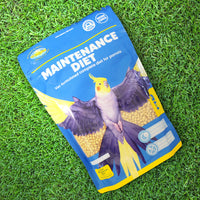
Formulated pellets are the simplest way to give a grey balanced nutrition, because each pellet carries the same blend of vitamins and minerals, so your bird cannot pick out the junk and leave the rest. Aim for pellets to make up around 70% of the diet. Choose a good-quality pellet made for parrots; in Australia, Vetafarm is a widely used brand, and any reputable formulated pellet is a big step up from a seed mix.

Do not add a calcium or vitamin supplement to a pelleted diet unless your avian vet tells you to. Quality pellets already contain calcium and vitamin D3, and piling more on top can tip a grey into vitamin D or calcium excess, which brings its own problems. If your bird is still on seed, the switch to pellets takes patience, and we cover how to do it safely further down.

Calcium, vitamin D3 and light: the balance that prevents seizures

Getting calcium right in a grey is about balance, not brute force. Three things have to line up: enough calcium in the food, enough vitamin D3 to absorb it, and enough light for the bird to make and use that vitamin D. Miss any one and the other two cannot do their job. That is why simply dumping a calcium supplement on a grey does not fix the problem, and can cause harm.

In practice: feed a pellet base plus calcium-rich leafy greens like kale, bok choy and dandelion greens, offer a cuttlebone or mineral block your bird can gnaw, and give safe access to natural sunlight or a bird-safe UVB lamp. Then let your avian vet check your grey's blood calcium at its annual exam, because levels can drift over the years. Hens that lay eggs burn through calcium fastest and need the closest watch.

Vegetables and greens to feed every day

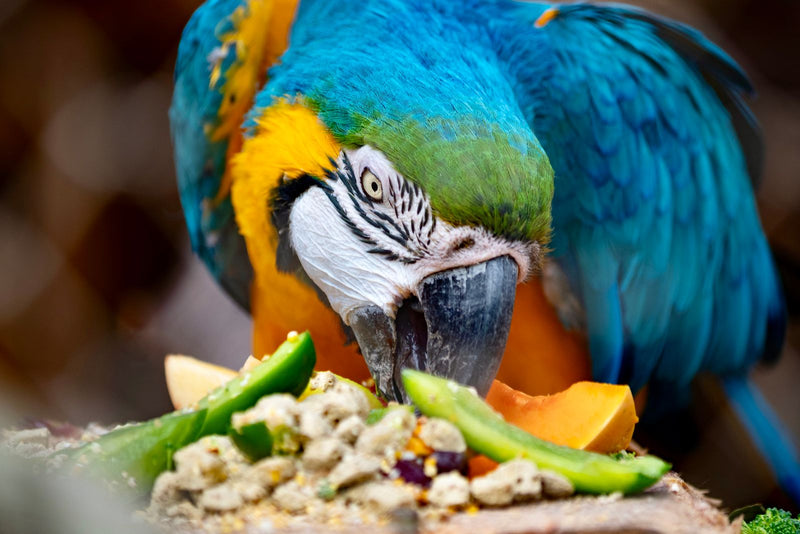
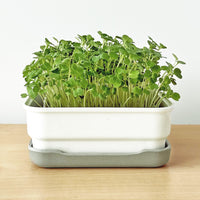
Vegetables are where a grey gets much of its calcium and vitamin A, so they belong in the bowl daily, not as an afterthought. Lean on dark leafy greens and orange vegetables. Good choices include kale, bok choy, silverbeet, dandelion greens, broccoli, carrot, sweet potato, capsicum, squash and green beans. Chop them small, and serve them fresh in a separate dish so they do not spoil.

Two cautions. Spinach and silverbeet are fine in moderation but contain oxalates that bind some calcium, so do not make them the only green. And skip iceberg lettuce, which is mostly water and adds little. Variety is the aim: a rotating mix of greens and orange veg covers a grey far better than the same one item every day.

Fruit, seeds and nuts: the treat layer

Fruit, seed and nuts are treats for a grey, not the meal. Offer fruit in small amounts a few times a week: apple without the pips, berries, a little banana, papaya or mango. Because fruit is sugary and low in calcium, keep it modest, especially for a bird prone to low calcium.

Seed still has a place as a small, enjoyable layer, and it makes a great foraging reward. The trick is to make that layer count rather than let it become a sunflower free-for-all. A large-parrot blend with less filler is better than a sunflower-heavy mix. A few nuts, such as an almond or a piece of walnut, are a good high-value treat and useful for training, but they are fatty, so ration them.

Foods that are toxic or unsafe

Some foods must never reach a grey. Avocado is toxic to birds and can kill. So can chocolate, caffeine and alcohol. Keep onion, garlic, very salty or sugary human food, and anything mouldy well away. The pips and stones of apples, cherries, apricots and peaches contain compounds that release cyanide, so core fruit before you offer it.

When you are unsure about a food, leave it out and ask your avian vet. A grey lives for decades, and it is not worth a risk for the sake of a single treat.

How to switch your grey to a better diet, and where the Seed Cube helps

Greys are famously wary of new things, so a diet change takes patience. Never pull the seed and hope. Instead, introduce pellets alongside the current food, mix a few into the seed, and slowly shift the ratio towards pellets over two to four weeks. Weigh your bird on a kitchen scale through the change to be sure it is still eating; a grey that refuses food for a day needs a vet. Offer fresh veg every morning when the bird is hungriest, and lead by example, because greys will often try a food they see you eat.

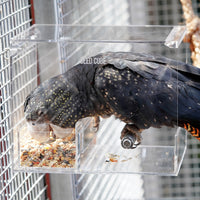
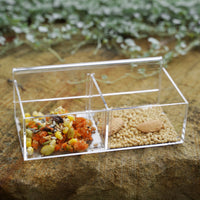
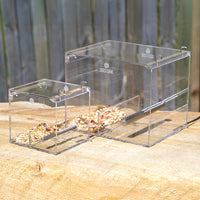
This is where a foraging feeder earns its keep. The African grey Seed Cube feeder holds pellets and a small seed layer behind a clear panel in the cage, so your grey climbs and works for its food instead of grazing a bowl. That slows the fast seed-pickers, keeps husks contained, and gives one of the smartest parrots a daily job, which helps prevent the boredom that leads to feather-plucking. For the full picture on housing, health and behaviour, see the African grey care guide.

Key facts

  • Around 70%

    of an African grey's diet should be formulated pellets

  • Under 6 mg/dL

    blood calcium level at which seizures often begin in African greys

  • 40 to 60+ years

    a grey's lifespan, so diet shapes decades of health

  • Vitamin D3 and light

    are needed to absorb calcium, so light matters as much as diet

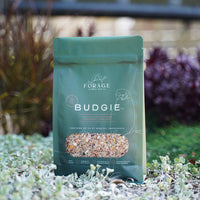
Seed layerForage Gourmet Seed - Macaw, African Grey & Amazon Specialty Blend-Bird Seed-Seed Cube

Make the small seed layer count

Forage Gourmet Seed - Macaw, African Grey & Amazon Specialty Blend

$15.99

Greys still enjoy seed, so make the small seed layer count instead of a sunflower free-for-all. The Forage Gourmet Macaw, African Grey and Amazon blend is built for large parrots, with less filler than a sunflower-heavy mix. Use it as the smaller part of a pellet-based diet, ideally in a Seed Cube so your bird forages for it.

Shop the blend
Forage Gourmet Seed - Macaw, African Grey & Amazon Specialty Blend-Bird Seed-Seed Cube
Forage Gourmet Seed - Macaw, African Grey & Amazon Specialty Blend $15.99
Shop the blend

Frequently asked questions

What should I feed my African grey daily?

Each day, offer a base of formulated parrot pellets (around 70% of the diet) plus a fresh serve of chopped vegetables and leafy greens. Add a small seed layer and a little fruit as treats, keep a cuttlebone available, and change the water daily.

Do African greys really need more calcium than other parrots?

Greys are not guaranteed to need more calcium, but they are the parrot most prone to low blood calcium, so getting it right matters more for them. The key is balance: calcium-rich greens and a cuttlebone, enough vitamin D3, and access to safe light, rather than a heavy calcium supplement. Let your vet check blood calcium at the annual exam.

What are the signs of calcium deficiency in an African grey?

Watch for weakness, trembling, clumsiness, difficulty gripping the perch, falling, and in severe cases seizures. A grey showing any of these needs an avian vet promptly, because low blood calcium is treatable when caught early.

Can African greys eat fruit?

Yes, in small amounts. Apple without the pips, berries, banana, papaya and mango are fine as occasional treats. Fruit is sugary and low in calcium, so keep it modest, especially for a bird prone to low calcium.

What vegetables are best for an African grey?

Dark leafy greens and orange vegetables lead the way: kale, bok choy, silverbeet, dandelion greens, broccoli, carrot, sweet potato, capsicum and squash. Serve a rotating variety chopped small. Go easy on spinach and silverbeet, which contain oxalates, and skip iceberg lettuce.

What foods are poisonous to African greys?

Never feed avocado, chocolate, caffeine or alcohol, all of which are toxic to birds. Avoid onion, garlic, very salty or sugary food, and fruit pips and stones from apples, cherries and stone fruit. When in doubt, leave it out.

How much should I feed my African grey?

A rough daily guide for an adult Congo grey is about two to three tablespoons of pellets plus a similar volume of chopped vegetables, adjusted to your bird's size and appetite. The better gauge is weight: a steady weight on a kitchen scale means the amount is right. Ask your avian vet for a target weight.

Do African greys need a cuttlebone or calcium supplement?

A cuttlebone or mineral block is a good, safe source of calcium a grey can use at its own pace, so it is worth offering. A calcium or vitamin supplement is different: only add one if your avian vet advises it, because over-supplementing calcium or vitamin D can harm a grey already on a pelleted diet.

Sources

  1. VCA Animal Hospitals, Feeding African Grey ParrotsPellet-based diet; seed is low in calcium and vitamin D3; do not over-supplement calcium; check blood calcium at the annual exam.
  2. LafeberVet, Calcium in the Avian PatientHypocalcaemia and calcium metabolism in birds; African greys are predisposed to low blood calcium; role of vitamin D3 and UVB light.
  3. RSPCA Australia KnowledgebaseA balanced companion-parrot diet based on formulated pellets, vegetables and greens rather than seed alone.
  4. The Unusual Pet VetsAustralian avian vet guidance on the risks of seed-only diets and the value of annual avian health checks.

About the author

Russell Neale
Founder, Seed Cube

Russell Neale is the founder of Seed Cube, a bird-feeding brand he started in 2024 in the Hills District of NSW. A long-time bird owner himself, with three birds including a 12-year-old hand-raised Alexandrine, Russell built Seed Cube after years of frustration with messy, flimsy and poorly designed feeders.

Seed Cube makes practical, durable products that keep feeding cleaner, easier and safer for pet birds, and that are designed to last rather than end up in landfill. The brand works closely with Hills Wildlife Sanctuary, and everything it makes is BUILT FOR BIRDS™.

African greys are brilliant, sensitive and long-lived, and their biggest diet risk is a hidden one: low blood calcium. Build the diet on pellets, feed calcium-rich greens daily, get vitamin D3 and light right, keep fatty seed and fruit as small extras, and make your bird forage rather than graze. Do that and you head off the calcium crisis that lands so many greys at the vet. When in doubt, an avian vet is your best guide. For a cleaner, lower-waste way to run a pellet-based diet, see the African Grey Feeder and the African Grey Care Guide.

Shop the African Grey Feeder