African Grey Care and Feeding

Diet, calcium and vitamin D, housing, health and behaviour for African grey parrots.

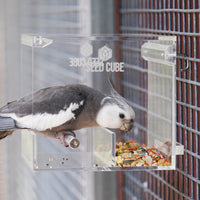
African grey parrot feeding inside a Large Seed Cube no-mess feeder

African Grey Feeder

See the large Seed Cube set up for African greys: less mess, more foraging.

Shop the feeder
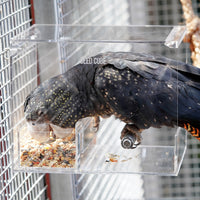
African grey parrot side profile, sized for the Large Seed Cube no-mess feeder

Which size fits your bird?

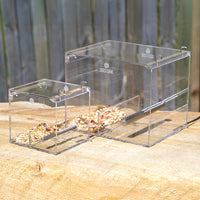
African greys take the large Seed Cube. Check the size guide for every bird.

See the size guide
Seed Cube bird first aid guide

Bird first aid

Know the warning signs and what to do before you reach an avian vet.

Open first aid
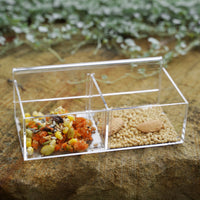
African grey parrot front-on portrait for the what to feed an African grey diet guide

What to Feed an African Grey

The full diet guide: pellets, calcium, vitamin D3 and the seizure risk to avoid.

Read the diet guide
Species hero image
Psittacus erithacus

African Grey Parrot

Brilliant grey parrots that are the species most prone to low blood calcium

Behavioral Profile

Mess Potential High
Low High
Vocalization Level Moderate to high
Quiet Loud

Species Specifications

Size

Large (250 g and over)

Weight

400 to 600 g (Congo); Timneh a little smaller

Feather Type

Soft grey feathers with a bright red tail

Lifespan

40 to 60+ years in captivity

Temperament

Intelligent, sensitive, observant and famously good talkers

Origins

Rainforests of central and western Africa

Suitable Foods

Formulated pellets, calcium-rich leafy greens and vegetables, a small seed layer and occasional fruit

Care Level

Intermediate to advanced

Care Notes

Common Feeding Mistakes
The costly mistake with a grey is an all-seed diet. Seed is low in calcium and vitamin D3, and the African grey is the parrot most prone to clinical hypocalcaemia, or low blood calcium, which can cause weakness, falling off the perch and seizures. The fix is not simply pouring calcium in, because over-supplementing calcium or vitamin D causes its own harm. Feed a balanced pellet base with calcium-rich leafy greens, offer a cuttlebone, allow safe access to natural light or a bird UVB lamp so the body can use that calcium, and have your vet check blood calcium at the annual exam. The second mistake is too much fruit and too many fatty seeds like sunflower and peanuts, which crowd out the vegetables a grey needs.
Habitat Requirements
Greys need a large, sturdy cage with room to climb, stretch and flap, plus several hours out of the cage each day. They are intelligent and bore easily, so provide plenty of foraging and destructible toys and rotate them often to prevent stress-plucking, a problem greys are known for. Give quiet, dark sleep each night, and where you can, allow safe access to natural sunlight or a bird UVB lamp, which helps a grey use dietary calcium.
Handling & Socialisation
African greys are sensitive and form strong bonds, but they are also cautious and can be shy with strangers or startled by sudden change. Introduce new people, foods and toys gradually, keep routines steady, and use calm, positive handling to build trust. A well-socialised grey is gentle and deeply attached; a neglected or bored one can pluck its feathers, so daily interaction and mental work matter as much as diet.