Cockatoo Care and Feeding

How to feed, house and care for the larger cockatoos, from the sulphur-crested to the corella.

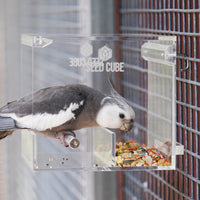
Sulphur-crested cockatoo feeding front-on from a large Seed Cube no-mess feeder

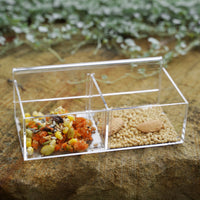
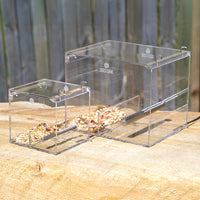
Cockatoo Feeder

See the large Seed Cube set up for cockatoos: less mess, more foraging.

Shop the feeder
Citron-crested cockatoo portrait, a large parrot suited to the large Seed Cube feeder

Which size fits my bird?

Match your cockatoo to the right Seed Cube in a few seconds.

Find your size
Seed Cube bird first aid guide

Bird first aid

Know the warning signs and what to do before you reach an avian vet.

Read the guide
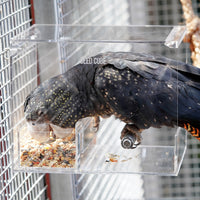
Sulphur-crested cockatoo feeding from a large Seed Cube no-mess feeder in its cage

What to Feed a Cockatoo

The full diet guide: pellets, vegetables, seed and the foods to avoid.

Read the diet guide
Species hero image
Cacatuidae

Cockatoo

Large, long-lived Australian parrots with big brains and bigger appetites

Behavioral Profile

Mess Potential High
Low High
Vocalization Level Very high
Quiet Loud

Species Specifications

Size

Large (250 g and over)

Weight

800 to 950 g (sulphur-crested); galahs and corellas 300 to 600 g

Feather Type

Powder-down feathers with an erectile crest

Lifespan

40 to 70+ years in captivity

Temperament

Highly intelligent, affectionate, loud and demanding

Origins

Australia, New Guinea and nearby islands

Suitable Foods

Formulated pellets, fresh vegetables, a smaller seed layer, occasional fruit and nuts

Care Level

Advanced

Care Notes

Common Feeding Mistakes
The classic mistake is an all-seed diet built on sunflower and peanuts. It is high in fat and short on calcium and vitamin A, and over a long cockatoo life it drives obesity, fatty liver, fatty tumours (lipomas) and hardened arteries. A pellet-based diet with fresh vegetables fixes this. The second mistake is feeding from a heaped bowl. A bird this intelligent needs to work for its food, so spread feeding and foraging through the day rather than leaving a full dish out.
Habitat Requirements
Cockatoos need the largest cage you can fit, with room to climb, stretch and flap fully. They are powerful chewers, so use a sturdy metal cage and keep a steady supply of destructible foraging toys and untreated timber. Give them several hours out of the cage each day, quiet dark sleep, and daily mental challenges. A bored cockatoo screams and plucks its feathers.
Handling & Socialisation
Cockatoos bond hard and crave contact, which is both their charm and their challenge. Handle them gently and consistently, set boundaries early, and avoid over-cuddling a single person, since intense one-on-one bonding can trigger jealousy, screaming and plucking. Reward calm, independent play. These are advanced birds that suit experienced keepers who can commit for decades.