



Amazon Parrot Care and Feeding

How to feed, house and care for an Amazon parrot, from a bold talker's diet to its long life.

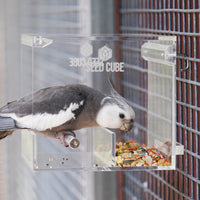
Green Amazon parrot portrait beside the large Seed Cube no-mess feeder

Amazon Parrot Feeder

See the large Seed Cube set up for Amazon parrots: less mess, more foraging.

Shop the feeder
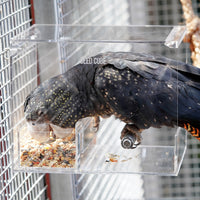
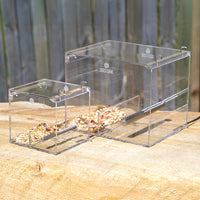
Amazon parrot portrait, Seed Cube size guide

Which size fits my bird?

Not sure which Seed Cube to pick? Match the size to your bird in seconds.

See the size guide
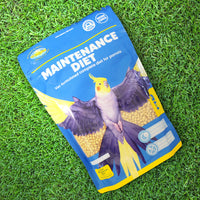
Blue-fronted Amazon parrot, what to feed an Amazon parrot guide

What to feed an Amazon parrot

The full diet guide: pellets, vegetables, what to avoid, and how to switch from seed.

Read the diet guide
Species hero image
Amazona

Amazon Parrot

Bold, loud, seed-loving parrots that live for decades and gain weight fast

Behavioral Profile

Mess Potential High
Low High
Vocalization Level Very high
Quiet Loud

Species Specifications

Size

Large (250 g and over)

Weight

350 to 700 g depending on the species

Feather Type

Firm contour feathers, predominantly green

Lifespan

40 to 60+ years in captivity

Temperament

Bold, confident, highly vocal and often strong talkers

Origins

Central and South America, Mexico and the Caribbean

Suitable Foods

Formulated pellets, vitamin-A-rich vegetables, a small seed layer and occasional fruit and nuts

Care Level

Intermediate to advanced

Care Notes

Common Feeding Mistakes
The classic mistake is an all-seed diet built on sunflower and peanuts. Amazons selectively pick the fattiest seeds from a bowl, which is high in fat and short on vitamin A and calcium, and over a long life it drives obesity, fatty liver and hardened arteries. A pellet-based diet with vitamin-A-rich vegetables fixes this. The second mistake is feeding from a heaped bowl: an Amazon will graze and gorge, so offer a measured amount through a foraging feeder and make the bird work for it.
Habitat Requirements
Amazons need a large, sturdy cage with room to climb, stretch and flap, plus several hours out of the cage each day. They are strong chewers, so provide destructible foraging toys and untreated timber, and rotate them to prevent boredom. Give quiet, dark sleep each night. Because Amazons gain weight easily, build in daily exercise and climbing rather than letting the bird sit and graze.
Handling & Socialisation
Amazons are confident and can be pushy, especially as they mature and hormones rise, when some become territorial or nippy. Learn to read their body language, such as flared tail and pinning eyes, and handle them calmly and consistently with clear boundaries. Reward independent play, keep training positive, and give plenty of interaction; a well-socialised Amazon is outgoing and affectionate.